You have to Change, Okurt?

You have to Change, Okurt?

Have you ever heard of Okurt? No? That’s why Google got rid of it. It’s no secret that the world of social media is constantly changing. As demographics change and the consumer’s desires evolve, social media platforms have to adapt in order to stay relevant. Simply put – adapt or die.

Okurt is an excellent example of the “adapt or die” reality in social media. Google launched Okurt in 2004 as an invitation only social networking platform. When creating a profile, users could identify whether it was a professional, social, or personal account. Their interface was clean and simple which attracted a lot of technology workers and students. Friends also had the opportunity to rate someone based on their trustworthiness and coolness. And to really boost or deflate someone’s self esteem, you could also rate someone based on their sexiness, or lack thereof. Much like Facebook, Okurt users could right product recommendation, share pictures, and post content on their walls.

The main objective of Okurt was to facilitate communities for its users. People could find relevant communities through keyword search, including titles, description, and browsing through other users’ memberships. (Mahoney, 2014) Although it was not very successful in the States, it did find great success in Brazil. Within one year, there were over 1,500,000 communities and by 2012 Okurt boasted approximately thirty million users. Impressive, right?

So why did Okurt die? You guessed it – they did not adapt. Brazilian rely heavily on online marketing because outdoor advertising is banned. Brazilians also respond best to social gaming, the ability to blog, and online videos. (Translate Media, 2015) Okurt’s functionality did not incorporate these three major demands from their audience and found itself lagging far behind their competition. Some major problems also included pictures and videos that were slow to load, a limitation on friends, spam, site downtime, and blockages. Because Okurt refused to adapt, they lost their customers and were replaced with a more culture and customer-centric social media platform.

Just as it was important for Okurt to adapt to the ever-changing social media market, organizations must also practice flexibility and growth when utilizing social media as a tool for their business. The following are four ways to stay relevant when using social media:

  1. Be adaptable. You probably knew this one was coming, but I’ll remind you again – adapt or die. It sounds harsh but the only thing constant is change. Consumer demands change, demographics change, and platforms change so we have to be willing and able to change too.
  2. Tailor content. All platforms were not created to do the same thing so we shouldn’t treat them like they do. Creating and sharing tailored content for each platform will help organizations connect with a more diverse population.
  3. Stay authentic. Every post should be intentional and promote the brand’s value and voice. An authentic social media presence helps create transparency and trust with help build a relationship between the organization and consumer.
  4. Share content. This may seem like an obvious tip, but you would be surprised at how many companies are relatively inactive on their social media accounts. Regularly posting content reminds people who you are, what you do, and why you are here. If you struggle with consistently posting, Hootsuite is an excellent tool that helps people and organizations schedule content on a variety of social media platforms.

Don’t be like Okurt. Be adaptable and listen to your consumers. Your audience will like it like that.

References:

Mahoney, L. M., & . (2017). Strategic social media: from marketing to social change. Malden, MA: Wiley Blackwell.

Translate Media (2015) Brazil social media. Available at http://www.translatemedia.com/us/translation-service/social-media/brazil-social-media/ (accessed June 8, 2016).

Weixin: A Prosumer’s Addiction

Weixin: A Prosumer's Addiction - Shayla's Studies

Social media audiences are more intuitive, interactive, and imaginative than ever before. That is why they are no longer considered just consumers, but rather prosumers. Meaning, they enjoy producing content as much as they enjoy consuming content. Social media’s dynamic nature allows them to engage on a much more personalized platform, which allows them to customize a unique experience that satisfies their wants and needs. Because each prosumer has different demands, companies produce separate apps to meet each desire. But in 2011, Tencent, a Chinese social media company, saw an ingenious opportunity to meet the expectations of many prosumers on one app. Introducing: Weixin.

Quick Facts:

  • 1.132 Billion Active User
  • 38 Billion Messages Daily
  • 902 Million Daily User
  • Owned by Tencent
  • Created by Xiaolong Zhang
  • Released in January 2011

Weixin is an “all-in-one-platform” app that allows users to send pictures, text messages, transfer money, get news, book taxis, and sell products. Audiences rarely have to exit the app because Weixin has links within it’s browser that provide a more user-friendly experience and helps boost Weixin’s flow of audience traffic. Weixin’s convenient technology was so attractive to audiences that it had more than 300 million active users within three years of it’s launch date. (As of 2018, Weixin had over 1 billion active users.)

Weixin’s target audience is young, urban consumers who rely on social media. By offering a variety of services that meet numerous consumer demands, Weixin has successful integrated itself into millions of consumer’s lives. Ms. Jenny Zhao, a cosmetic marketer in Shanghai, estimated that she spends approximately six hours each day on Weixin. Her friends, family, boss, favorite stores, and even her transportation services are on the app that her life revolves around. (Her words, not mine.)

So what has made Weixin so successful? I would say that their customer-centric focus and successful audience integration has been the two biggest contributors to their overwhelming success. By enhancing their user’s self-efficacy, Weixin has become the norm for their audience. No one thinks twice about about how they will communicate with a friend, send money to a family member, or schedule a taxi ride – the automatic response is Weixin.

Weixin continues to grow at an accelerating rate, far surpassing their competition. Prosumers, addicted to the ability to get and give what they want when they want, drive the ever-growing Weixin. If a company is replaceable, the consumer will replace it. To be irreplaceable, a social media organization have do what no other company is doing. Weixin did just that, and I think we can all see how well that worked for it.

*Note: Tencent changed the name of this app from Weixin to WeChat to appeal to a larger, global audience.

I’m Aware of Breast Cancer. Now What?

Ten years. That’s how long it’s been since I lost my aunt to breast cancer. Before she was diagnosed, I wasn’t familiar with breast cancer outside of the random post my friends would share on social media. I felt no emotional connection to a pink ribbon or meme. I was aware of breast cancer, but wasn’t compelled to actually do anything about it.

Cancer doesn’t have a face until it’s yours or someone you know.

Anthony Del Monte

My Aunt Grace gave cancer a face. Breast cancer was no longer something I only thought about in October. It wasn’t just the color pink. Cancer was a murderer. It was something worth fighting against.

Before my aunt passed away, I naively thought that because I wore pink and changed my profile picture in October I was actually a part of the fight against cancer. Social media campaigns made it sound that simple. Very rarely did I feel compelled to actually do something about it.

According to Dr. L Meghan Mahoney, the goal of mass media campaigns is to get audiences offline and inspire them towards real-life behavior changes. One of the main problems with cyberactivism is the false impression of activism. Sharing a meme is just that: sharing a meme. Often, diffusion-based campaigns are not linked to real benefits. For cyberactivism to be considered effective, it must encourage real-life action. If an organization’s breast cancer awareness campaign does not inspire people to financially contribute to cancer research, spend time caring for cancer patients, schedule a personal doctor’s appointment, or volunteer at cancer patient centers, it is reasonable to assume that the campaign failed. Awareness is important for every cause, but it is not enough.

Fight-against-cancer campaigns will be much more beneficial and effective if they utilized action-oriented mobilization approaches. Facebook groups that connect cancer warriors and survivors would be a great way to encourage communities. Social media posts that display a “donate” button would make it easier and more convenient for the audience to financially contribute. Sharing stories from cancer patients and family members would help the audience better connect with the campaign. The goal is to connect the message with people’s emotions. Emotional connection will inspire real-life action.

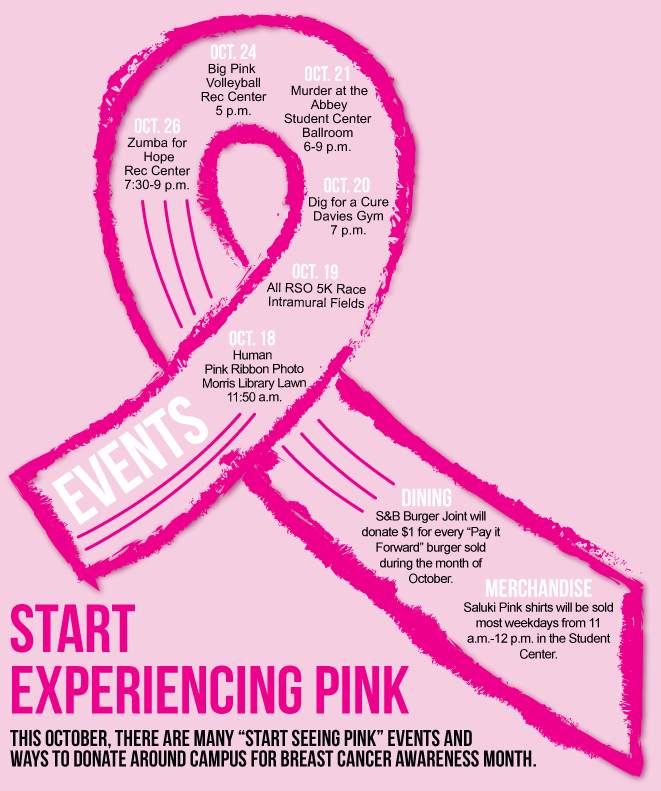
Breast cancer awareness month, October, is just around the corner. Many people will change their profile pictures, wear pink, and share cancer memes. While these are easy ways to show morale support to those who have fought or are fighting cancer, there are many other opportunities to get involved and help them fight.

Here are five ways YOU can join the fight today:

  1. Volunteer your time.
  2. Donate money.
  3. Take part in research.
  4. Participate in Making Strides Against Breast Cancer.
  5. Take charge of your health

Now that we’re all aware of breast cancer, let’s do something about it. Together, we can make a difference.

If you have other ideas about how to join the fight against breast cancer, I’d love to hear them! Comment below to share your suggestions with me and everyone who reads this.

Through a Different Lens: How Warby Parker Reimagined the Prescription Eyeglass Market

Twenty years ago, when I was five years old, I joined the seventy-five percent of Americans who require prescription eyewear. Each year, I wasted many hours of my parent’s life trying to find the “perfect” pair of glasses. Because I was incredibly picky and my parent’s patience was incredibly small, eyeglass shopping was a nightmare. To top it off, my eyesight was so bad that when I tried on the model frames at the store, I couldn’t see well enough to know if I liked the frame or not. Then, in my last year of High School, my mom discovered Warby Parker. Game changer. I’m pretty sure Warby Parker was able to add a few years to mine and my parent’s life. The whole experience made everything less stressful and more affordable. Warby Parker was a relatively new company when we discovered it, but their customer service, social media presence, and customer reviews intrigued us.

In 2010, a group of dissatisfied college student set out to reimagine the process of purchasing prescription eyeglasses and sunglasses. Expensive frames, limited selections, and advanced appointments inspired the creation of Warby Parker. To promote and grow their business, Warby Parker utilized social media to communicate with customers, reduce the dissonance, and capture customer loyalty.

Communicate with Customers

You can never go wrong by investing in communities and the human beings within them.

Pam Moore, CEO of Marketing Nutz

Social media has become one of the best ways to engage customers. Sproutsocial’s recent study showed that 91% of people believe in social media’s power to connect with customers and 64% of customers want to buy brands who connect with them on social media. However, a common mistake companies make on social media is to treat their page’s feed as a giant sales pitch. Warby Parker’s social media activity is an excellent example of engaging customers. Not only do they quickly respond to questions and complaints, but they also respond to customer’s personal interests. Personalized responses create meaningful moments that show the customers how much the company values their business.

Reduce the Dissonance

When people feel insecure about something, they look around for validation. Show them that other people trust you.

Francisco Rosales, social media marketing coach

One of the biggest challenges Warby Parker faced was the customer’s inability to try on the glasses before they purchased them. To eliminate this hinderance, Warby Parker introduced The Home Try-On Campaign. This campaign allowed customers to pick out five of their favorite frames to be shipped to their home. After trying them on, the customers could buy their favorite one online and could ship the remaining pair back for free. Warby Parker also encouraged customers to share their experience on social media by tagging them in pictures and using campaign hashtags. For a chance to be featured on Warby Parker’s page, many customers shared a picture of themselves in their new glasses and included some details about their experience. This word-of-mouth exposure from satisfied customers helped build trust between potential, uncertain customers and Warby Parker. Un-biased, personal recommendations can be just as beneficial to the success of an organization as expensive advertising content.

Capture Customer Loyalty

Content builds relationships. Relationships are built on trust. Trust drives revenue.

Andrew Davis, marketing speaker & bestselling author

People would rather connect with a person than an organization. Of course people want to know what you are selling, but they also want to know the who and the why. Connecting with customers on a personal level creates loyalty and going the extra mile to provide excellent customer service is always a good idea. Going the extra mile sometimes looks like a handwritten note, a thoughtful gift, or simply a “you look great today.”

Warby Parker also gives their customers a cause to connect with. For every pair of eyeglasses purchased, another pair of eyeglasses is donated to a person in need. When customer feel responsible for contributing to a cause greater than themselves, they also feel a sense of obligation to continue supporting that cause. This increases Warby Parker’s customer retention rate and benefits society. I call that a win-win.

Design a site like this with WordPress.com
Get started